Under 20,000/-
 Google Pixel
 OnePlus
 Apple iPhone
 Oppo
Oppo Vivo
Vivo Motorola
 Xiaomi
 LG
LG Sony
Sony Samsung
 Sharp
Sharp Honor
Honor

 Touch + OCA Glass
 Charging Port
 Back Camera Glass
 Back Glass & Covers
 Sim Tray Jackets
 Mobile Batteries
 S-Pen
S-Pen
 Smart Watches
 Earbuds
 Cooling Fan

The Evolution of Smartphones: Past, Present, and Future

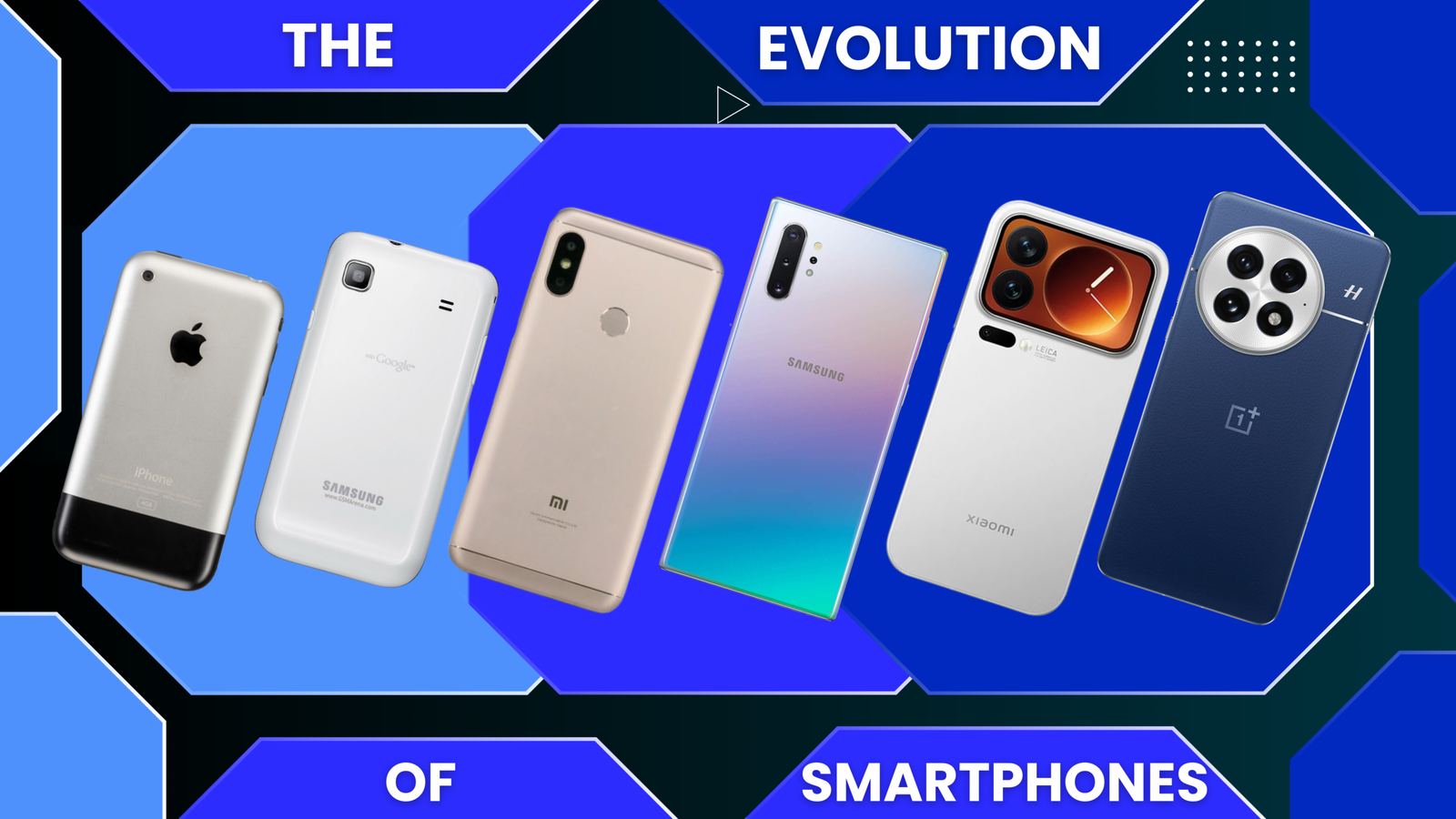
Smartphones are no longer just devices for calling or texting—they have become portable computers, cameras, entertainment hubs, and productivity tools. But have you ever wondered how smartphones evolved over time, which companies shaped this evolution, and what the future holds? Let’s explore.
📱 Early Smartphones (2000s – 2010)
The first smartphones were a major step up from feature phones:
- Companies like BlackBerry, Nokia, and Palm focused on email, messaging, and business productivity.
- Apple (2007) introduced the iPhone, revolutionizing touchscreens, app stores, and the concept of smartphones as mini-computers.
- Google (2008) launched Android, enabling other manufacturers to create versatile smartphones at lower prices.
Key changes:
- Touchscreens replaced physical keyboards
- Apps became a core part of smartphones
- Internet connectivity and email on the go
Impact: Companies realized that user experience, apps, and internet capabilities would define smartphone success.
📸 Camera and Multimedia Boom (2010 – 2015)
Smartphones became all-in-one multimedia devices:
- Samsung, Sony, HTC pushed higher-resolution cameras
- Apple introduced advanced cameras and video recording capabilities
- Companies added music players, video streaming, and social media apps
Key changes:
- Multi-megapixel rear and front cameras
- Video recording and editing on phone
- Multimedia apps like Spotify, YouTube, and Instagram
Impact: Cameras and multimedia became essential features for every smartphone, not just optional extras.
⚡ Performance and Connectivity Evolution (2015 – 2020)
Phones became mini-computers in our pockets:
- Faster processors: Snapdragon, Apple A-series, MediaTek chips
- Higher RAM and storage for apps and media
- 4G LTE became standard, enabling fast streaming and browsing
- Companies started experimenting with AI, AR, and sensors
Notable innovations by companies:
- Samsung: Introduced high-refresh AMOLED screens and large batteries
- Apple: Introduced powerful chips optimized for iOS and AI
- Huawei: Innovated in AI cameras and battery optimization
Impact: Phones could now handle gaming, multitasking, streaming, and advanced photography, which was impossible a decade earlier.
🌟 Modern Smartphones (2020 – 2026)
Today’s smartphones are technologically advanced and feature-rich:
- Multiple high-resolution cameras (ultra-wide, macro, telephoto)
- AI-powered software for photography, voice assistants, and predictive typing
- 5G connectivity for high-speed internet
- Foldable displays by Samsung and Huawei
- Biometric security: Face ID, fingerprint under-screen sensors
How companies contributed:
- Samsung: Foldable phones and stylus integration (S-Pen)
- Apple: Optimized software-hardware ecosystem and AR features
- Xiaomi & OnePlus: Affordable flagship features for broader audiences
- Nothing and Google: Focused on minimalistic design and software innovation
Impact: Many features introduced by one company eventually become industry standards:
- AI cameras, wireless charging, fast charging, foldable displays, and high-refresh-rate screens are now common across brands.
🔮 Future of Smartphones (2026 and Beyond)
What can we expect next? Experts predict:
- AI Everywhere – Smarter assistants, predictive apps, and AI cameras that edit photos automatically
- Flexible & Foldable Designs – Phones may transform in shape, size, and functionality
- Better Battery & Charging – Longer life, faster charging, and eco-friendly technologies
- AR/VR Integration – Phones will work seamlessly with augmented reality for education, shopping, and gaming
- IoT Integration – Smartphones will act as central hubs for smart homes and wearables
- Sustainability – Modular phones, recyclable materials, and energy-efficient components
In short: Smartphones will become even smarter, more personalized, and fully integrated into our daily lives.
✅ Conclusion
The evolution of smartphones shows how technology, innovation, and competition have shaped devices that are indispensable today. From BlackBerry email devices to foldable 5G flagships with AI cameras, each step introduced features that are now standards across all brands.
The future promises smarter, more sustainable, and highly connected smartphones, making our lives easier, more productive, and more fun.